3 Local SEO Myths That Hurt Small Businesses (And How to Fix Them)
Local SEO for small business is the key to turning online searches into real customers. In a market where local visibility can make or break a company, mastering these strategies is essential. According to Think with Google, 46% of all Google searches have local intent. This makes local SEO critical for small business visibility. Research from Busting 3 SEO myths that hurt local businesses shows that 80% of these users are ready to buy when they search "near me." This guide covers four essential local SEO tactics: optimizing Google My Business, running technical audits, building citations, and managing reviews. Each approach is backed by current search engine guidelines and real-world examples. Discover how to drive measurable growth for your business through local search.
Claim and Optimize Your Google My Business SEO
Setting Up Your Profile
Google My Business SEO starts with a strong, complete business profile. For local SEO for small business, this step is critical. Every field matters: business name, address, phone, and website link. For example, a bakery that adds its correct hours and address will appear reliably in search and on Google Maps.
Including business categories helps Google match your listing to search intent. Adding real photos of your storefront or team makes your listing stand out in the local business listing. According to LinkedIn, listings with detailed profiles are 77X more likely to attract attention.
Optimizing for Local Search
A technical SEO audit often reveals that missing details hold businesses back. For optimal Google My Business SEO, keep your hours updated and select precise categories. Use keywords naturally in your business description to improve discovery.
Encourage customers to leave reviews, and respond to each one. This builds trust and signals activity to Google. For example, a local plumber who responds to feedback not only reassures future customers, but also gains a ranking edge. Research from LinkedIn shows businesses focusing on reviews see results up to 5x faster.
Regularly update photos and posts to show Google your business is active. Use a free seo audit tool to check for missing fields, duplicate listings, or inconsistent data.
For a deeper dive into technical advantages, see the article AI Local SEO Tools Compared for Geo-Targeted Visibility. This approach ensures every local business listing is built to win local search.
Perform a Free Technical SEO Audit
Why Technical SEO Matters
Search engines rely on solid technical foundations to index and rank local websites. Even a small error can block a site from ranking in local packs. For example, a bakery with a slow-loading website may lose out to a competitor with faster load times and mobile-friendly pages. Research from LinkedIn shows businesses that address technical SEO issues can see results up to 9X faster.
Key benefits of a technical SEO audit:
- Finds crawl errors and indexing problems
- Flags slow pages that frustrate customers
- Detects missing or duplicate metadata
- Improves user experience for mobile visitors
A technical SEO audit is best for small businesses aiming to boost local search presence without hiring expensive agencies.
Using SEO Audit Tools
Free tools make technical SEO accessible to all. Google Search Console is the standard first step. It identifies indexing errors, mobile usability issues, and site speed bottlenecks. Other seo audit tool free options like Screaming Frog (basic version), Ahrefs Webmaster Tools, and Sitechecker offer automated scans to find problems quickly.
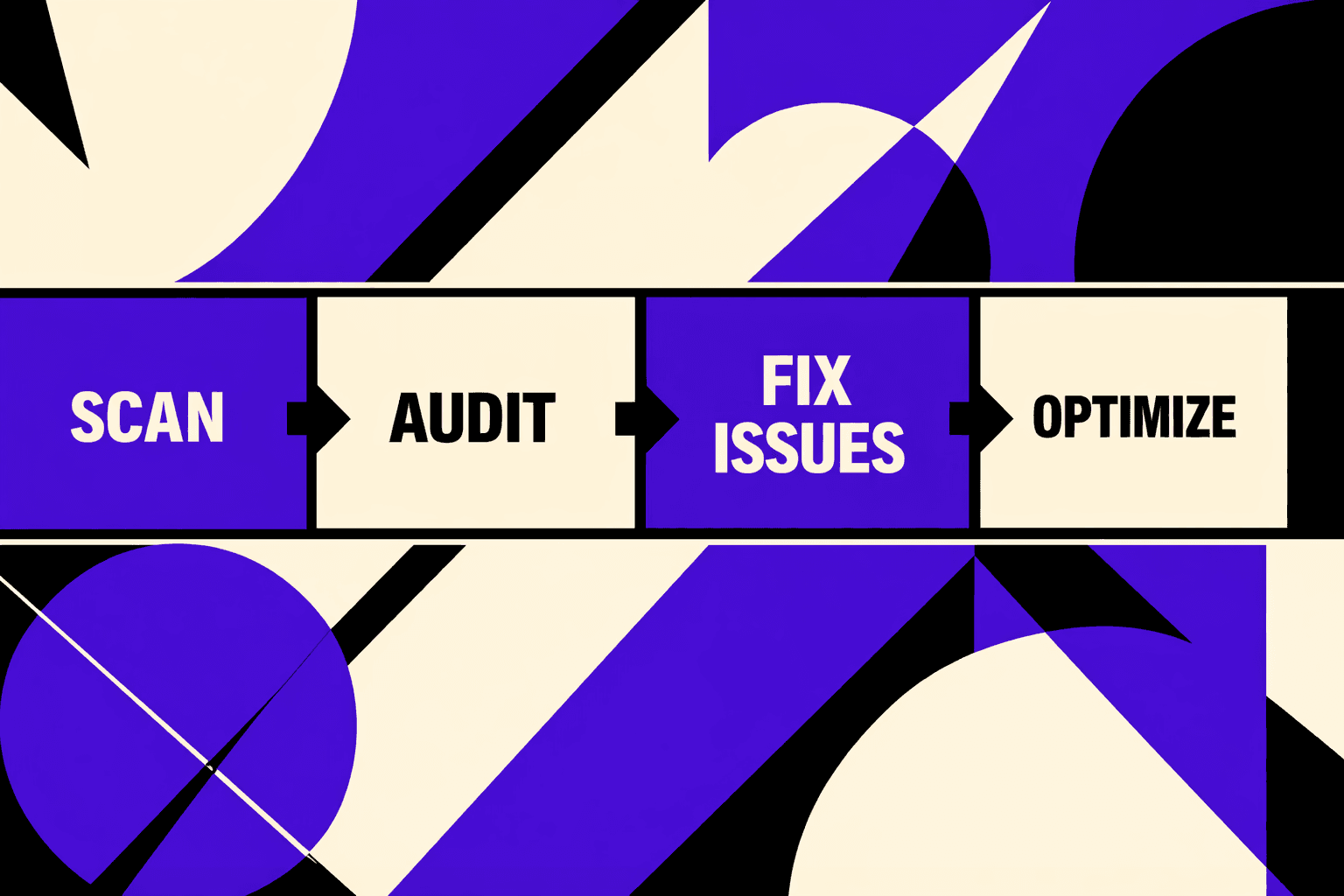
Steps to perform a technical SEO audit:
- Connect your site to Google Search Console.
- Review the Coverage and Page Experience reports.
- Check mobile usability and core web vitals.
- Use a free crawler to find broken links and duplicate content.
- Prioritize fixes that impact speed, mobile experience, and indexing.
Fixing these core technical issues often delivers the fastest improvement in local results. Many believe technical audits require expensive agencies, but small businesses do not need to spend $5,000 on an audit (LinkedIn). In reality, free tools can deliver comprehensive scans that identify the most critical issues. For a deeper dive into tools, see AI Local SEO Tools Compared for Geo-Targeted Visibility.
A regular technical SEO audit helps local seo for small business reach more customers and outperform competitors.
Build Local Citations and Consistent NAP

What Are Local Citations?
Local citations are online mentions of a business’s name, address, and phone number on directories, review sites, and map services. These references appear across platforms like Yelp, Yellow Pages, and local business directories. For local SEO for small business, citations act as digital proof points, confirming a company’s legitimacy and location.
For example, a plumbing company listed on industry directories and map apps sends trust signals to both search engines and prospective customers. Consistent local citations help businesses show up in localized search results, especially when paired with a solid Google My Business SEO profile.
Many small businesses invest in expensive SEO tools but overlook free citation management opportunities that deliver immediate local ranking benefits (LinkedIn).
Managing NAP Consistency
NAP stands for Name, Address, and Phone number. Keeping this data identical across every online listing is critical. Even small differences - such as using “St.” on one site and “Street” on another - can confuse search engines and lead to lost visibility.
Inconsistent NAP details disrupt local SEO for small business by making it harder for Google to confirm which information is correct. This can lower rankings or even hide businesses from map results. For example, if a bakery’s phone number varies between listings, customers may call the wrong location, and search engines may trust the business less.
According to Third Marble Marketing, many new advertisers receive $500 in free clicks for Google Ads, but if their NAP is inconsistent, these clicks may not convert to real customers.
For a visual walkthrough of citation building and NAP consistency, check out this tutorial from Wes McDowell:
For deeper strategies, see AI Local SEO Tools Compared for Geo-Targeted Visibility.
Encourage Customer Reviews and Manage Reputation

Getting More Reviews
A steady flow of customer reviews strengthens your local SEO for small business by signaling quality and reliability to search engines. For example, a local plumber who asks every satisfied client to leave feedback can see their Google My Business SEO rankings rise within weeks. The best way to get reviews is to request them soon after service, while the experience is fresh. Provide simple instructions and direct links to platforms like Google, Yelp, or Facebook. This reduces friction and increases review rates. Research from LinkedIn shows that some businesses see improvements in as little as two weeks after optimizing their review process.
- Pros: Boosts search rankings, builds trust, attracts more local customers
- Cons: Requires ongoing effort, negative reviews can impact perception
Responding to Feedback
Prompt responses to all reviews, whether positive or negative, show potential customers that feedback matters. Responding demonstrates strong reputation management and can turn a neutral or negative review into a positive experience. For example, replying to a critical review with an apology and a solution often results in the reviewer updating their rating. According to LinkedIn, businesses that engage with reviewers see reputation improvements faster than those that ignore feedback.
- Pros: Enhances reputation, reduces impact of negative reviews, increases customer loyalty
- Cons: Time-consuming, requires careful wording to avoid escalation
For more reputation strategies, see Yelp Local SEO Strategies to Rank Higher and Drive Results.
Conclusion
Mastering local SEO for small business demands a tailored approach that goes beyond generic tactics. By claiming your Google My Business profile, conducting regular technical audits, maintaining consistent citations, and actively managing customer reviews, small businesses can dominate local search results. These foundational strategies work together to strengthen both relevance and authority in the eyes of search engines, helping businesses stand out in their local markets.
Effective local SEO connects with local audiences while maintaining technical excellence. Small businesses that invest in these efforts will see growth not just in rankings, but in real-world customer engagement and trust. For those ready to take the next step, Learn More to discover how specialized support can accelerate your local SEO journey.