Knowledge Base

SEO
Engineering
Log

Technical deep dives into search algorithms, rendering performance, and the future of the web.

Latest Articles

How to Catch Hidden Redirect Chains Before Googlebot Does
Article

How to Catch Hidden Redirect Chains Before Googlebot Does

You can’t improve what you don’t measure, and SEO is no exception. In this tutorial, you’ll use an seo audit tool to build a repeatable workflow that finds issues, explains what they mean, and turns them into a prioritized fix list you can ship. You’ll start with the simplest working version: connect your site’s data sources and run a baseline scan. Then you’ll level up into a technical seo audit that focuses on crawlability, indexation, performance, and structured data—without getting lost in vanity scores. You’ll also learn how to validate fixes with lightweight testing so you don’t accidentally break search traffic. By the end, you’ll have a practical audit process you can run monthly, a clear handoff format for stakeholders, and a deployment checklist that helps you move changes to production safely and measurably.

Mygom Seo
Mygom Seo
SEO Audit Tools Aren’t One - Size - Fits - All: What Works for Agencies vs. Developers
Article

SEO Audit Tools Aren’t One - Size - Fits - All: What Works for Agencies vs. Developers

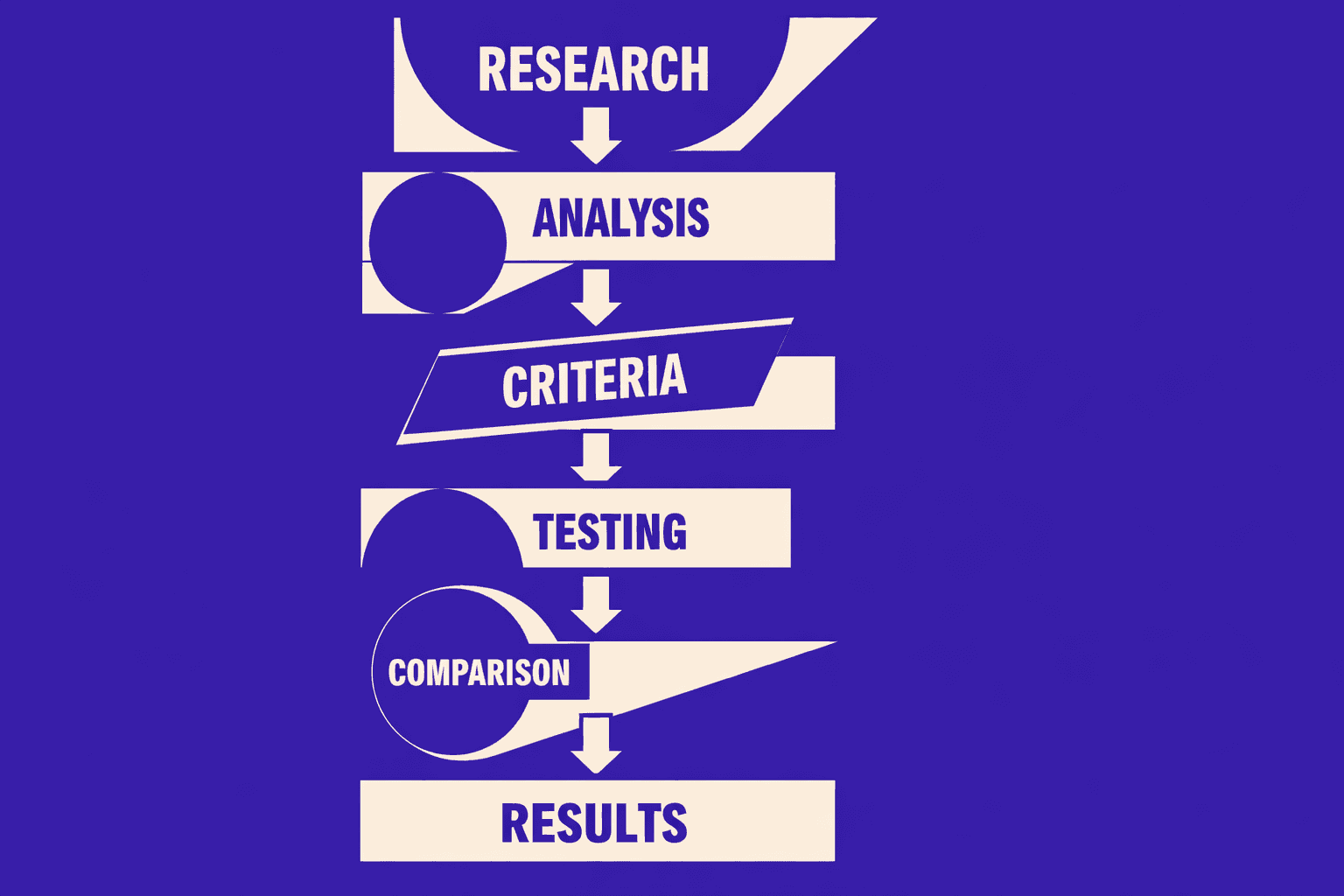
An seo audit tool can reveal why a site is losing rankings, wasting crawl budget, or missing easy technical wins. But “best” depends on what needs fixing: deep crawling, on-page checks, reporting for stakeholders, or ongoing monitoring across many sites. This comparison breaks down three widely used options—Ahrefs, Screaming Frog, and Semrush—using the same evaluation criteria so professionals can make a confident, defensible choice. It focuses on what matters in real workflows: technical coverage, data quality, speed, reporting, integrations, learning curve, and total cost. Readers will also get scenario-based guidance (agency vs in-house vs solo) and a practical workflow for running a technical SEO audit efficiently, including where a seo checker free option fits without replacing a full platform.

Mygom Seo
Mygom Seo
Why Your Technical SEO Audit Should Start With HTTPS (Not Content)
Article

Why Your Technical SEO Audit Should Start With HTTPS (Not Content)

Most teams don’t have an SEO problem. They have a feedback-loop problem. Traditional audits are slow, siloed, and built to produce reports instead of fixes. That’s why we built our own SEO audit tool: to turn SEO from a quarterly “health check” into an always-on engineering workflow. In this article, we share what we believe the market gets wrong about audits, what’s happening right now in technical SEO automation, and how we implemented an audit system that developers actually use. We’ll walk through the architecture we chose, the signals we prioritize, and how we connected findings to tickets, owners, and deploys. We’ll also share the impact we’ve seen with clients: faster time-to-diagnosis, fewer regressions, and clearer ROI tied to releases instead of guesswork. Finally, we’ll address the skepticism head-on—when a free SEO checker is enough, when a full technical SEO audit still matters, and where audit tooling is heading next.

Mygom Seo
Mygom Seo
The 5 Most Overlooked SEO Signals in Your Site’s HTTP Headers
Article

The 5 Most Overlooked SEO Signals in Your Site’s HTTP Headers

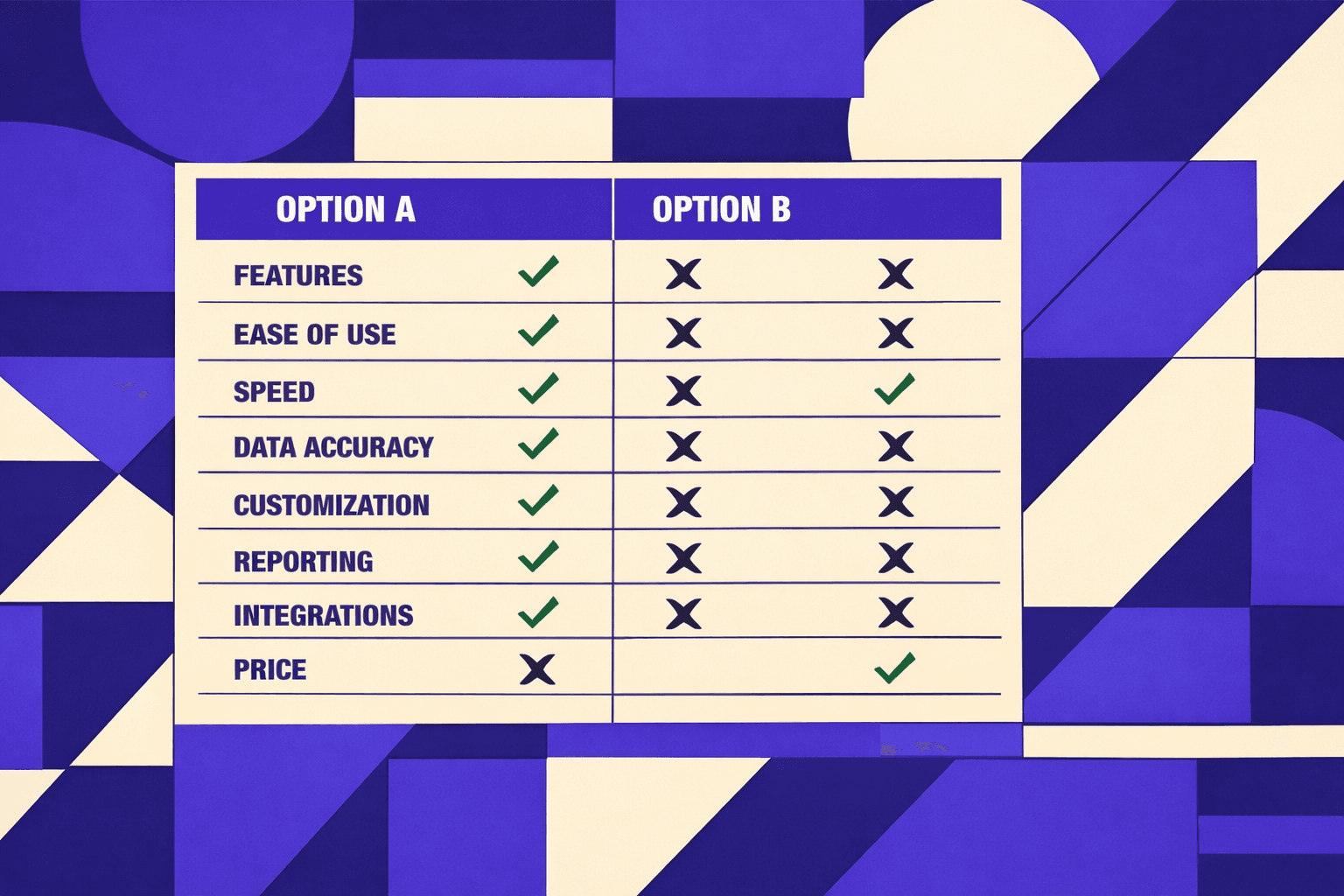
Choosing the right seo audit tool can determine whether technical issues get fixed fast or linger for months. With multiple platforms promising “all-in-one” insights, teams often end up paying for features they do not use or missing developer-ready diagnostics they actually need. This listicle compares nine leading options using consistent criteria: crawl depth and accuracy, technical seo audit coverage, reporting and prioritization, collaboration for seo for developers, integrations, and overall value. It is designed for quick scanning and practical selection, not vendor hype. Readers will see which tools excel at site crawling, Core Web Vitals checks, indexability and render diagnostics, and ongoing monitoring. A side-by-side comparison table highlights the best fit for freelancers, in-house marketers, and engineering-led teams. The goal is simple: pick a tool that makes each seo technical check actionable and easy to validate before deployment.

Mygom Seo
Mygom Seo
How to Audit Your Site for Free After a Major Core Update
Article

How to Audit Your Site for Free After a Major Core Update

A technical SEO audit is only useful if you can repeat it, track changes, and ship fixes without breaking your site. In this tutorial, you’ll build a complete, developer-friendly audit workflow you can run every month in about an hour, starting from a simple crawl and ending with tested fixes in production. You’ll begin by defining a baseline (indexability, crawlability, performance, and templates), then you’ll prioritize issues by impact and effort so you don’t get stuck in endless checklists. Along the way, you’ll use a free SEO audit tool for discovery, but you’ll validate everything with “source of truth” checks: server responses, robots rules, sitemaps, and page templates. By the end, you’ll have an audit template, a short list of high-leverage checks, and a practical process for collaborating with developers. You’ll also learn how to test fixes safely before deployment, and how to monitor results after changes go live so your audit becomes a reliable system—not a one-time report.

Mygom Seo
Mygom Seo
which pages get cited in ai answers
Article

which pages get cited in ai answers

Our AI visibility tool release gives engineering and platform teams a faster way to understand where AI is used, what data it touches, and which models are driving production outcomes. In this update, we break down what changed, why we built it, and how developers can roll it out with minimal disruption. We focus on practical impact: inventorying AI services and prompts, tracking model versions and providers, adding request tracing and cost signals, and enforcing governance checks before changes ship. We also share what we saw after deploying it across our own environments and early client workloads, including faster incident triage, fewer unknown AI endpoints, and clearer accountability for model behavior. If you’re responsible for reliability, security, or compliance, this article shows how we instrumented AI traffic, structured the metadata, and wired the tool into CI/CD so visibility isn’t a dashboard you forget—it’s a control you can automate.

Mygom Seo
Mygom Seo
Why Your Site’s Core Web Vitals Fluctuate (And What to Do About It)
Article

Why Your Site’s Core Web Vitals Fluctuate (And What to Do About It)

If your traffic is sliding while your dashboard looks “fine,” a typical SEO workflow is failing you: it’s catching surface-level issues, not the root causes that impact rankings, speed, and crawl efficiency. We’ve seen teams run an audit, fix a handful of obvious errors, and still watch Core Web Vitals, indexation, and key landing pages underperform. In this article, we break down the real-world symptoms that signal your current process isn’t working, what’s actually happening under the hood, and how we built our own seo audit tool workflow to connect technical findings to measurable outcomes. You’ll learn how we combine a technical seo audit with performance checks, crawl intelligence, and prioritized remediation—plus the exact steps, scripts, and CI checks we use to keep issues from returning. By the end, you’ll have a repeatable system for faster diagnosis, higher-impact fixes, and reporting that proves improvement to stakeholders.

Mygom Seo
Mygom Seo
How to Audit Your Site for Local SEO Without a Physical Address
Article

How to Audit Your Site for Local SEO Without a Physical Address

You can use an seo audit tool to find the exact technical issues blocking your rankings and then fix them with confidence. In this tutorial, you’ll build a complete, repeatable SEO audit workflow from scratch: crawl your site, prioritize problems, implement fixes like a developer, and verify results with re-tests. Instead of treating SEO reports as vague recommendations, you’ll turn findings into actionable engineering tasks with clear acceptance criteria. You’ll also learn when a seo checker free option is enough, when you need deeper crawling, and how to avoid common traps like “fixing” low-impact warnings while real indexation or performance issues remain. By the end, you’ll have a lightweight process you can run monthly (or in CI for key checks) to keep technical SEO healthy as your product changes—without guessing what mattered or whether you actually improved anything.

Mygom Seo
Mygom Seo
Why Your XML Sitemap Might Be Hiding Your Best Content
Article

Why Your XML Sitemap Might Be Hiding Your Best Content

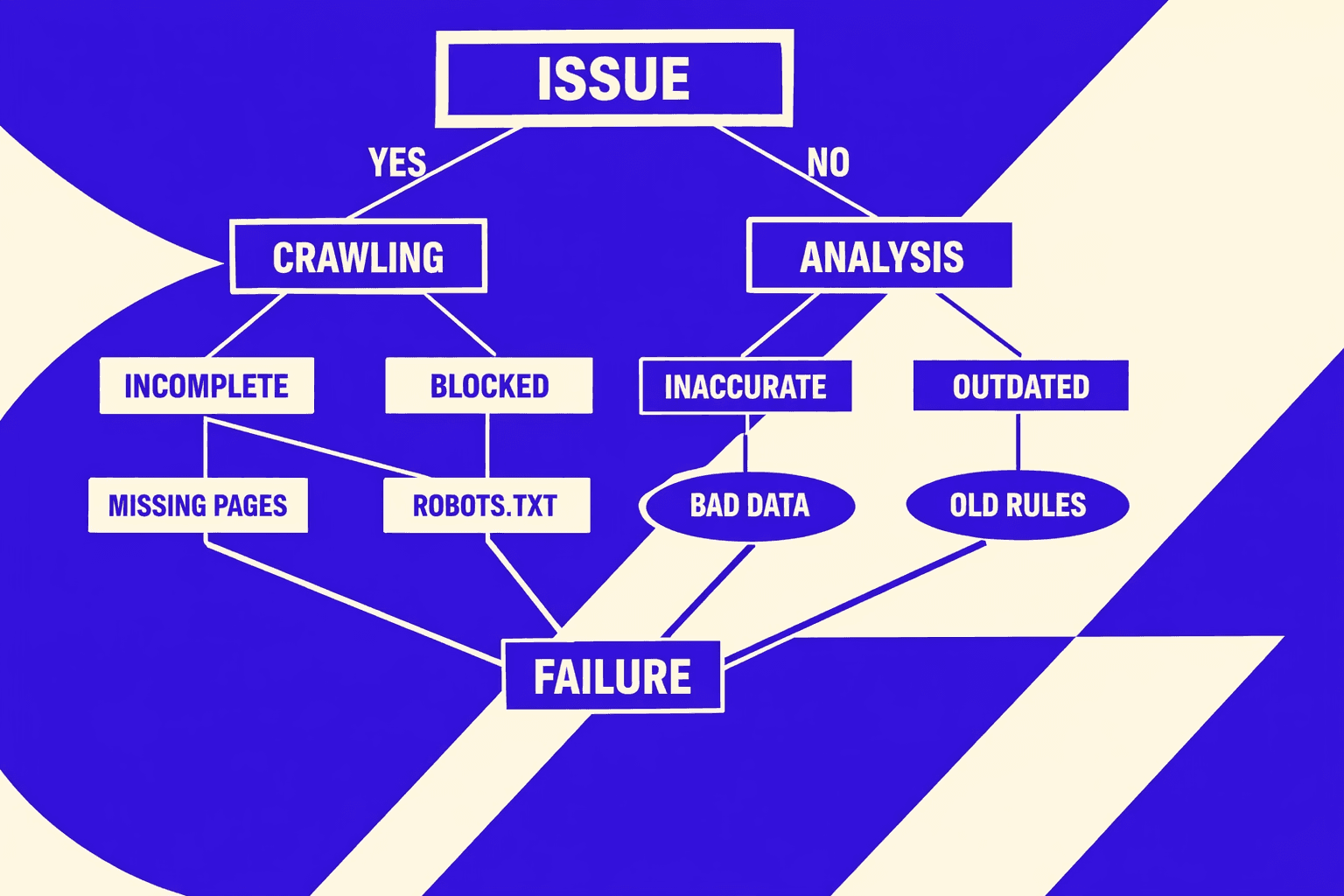
When rankings stall and organic traffic slides, most teams blame content or backlinks. In our experience, the real culprit is usually technical debt you can’t see in analytics: broken indexation signals, slow templates, redirect chains, and rendering gaps that block crawlers and frustrate users. That’s why we built our seo audit tool around root-cause detection instead of “SEO score” theater. We use it the same way we work with clients at Default Company: identify the exact pages and templates causing the issue, map each symptom to a measurable cause, then generate developer-ready fixes with clear priority and impact. In this article, we’ll walk through the problems teams report, why common quick fixes fail, and the implementation approach we use to run a technical audit that engineers actually trust. You’ll also see the before-and-after metrics we track (index coverage, crawl efficiency, Core Web Vitals, and revenue-aligned conversions) so you can prove improvements—not just claim them.

Mygom Seo
Mygom Seo