Knowledge Base

SEO
Engineering
Log

Technical deep dives into search algorithms, rendering performance, and the future of the web.

Latest Articles

SEO Audit Tool Showdown: MygomSEO vs. Ahrefs vs. SEMrush (2026)
Article

SEO Audit Tool Showdown: MygomSEO vs. Ahrefs vs. SEMrush (2026)

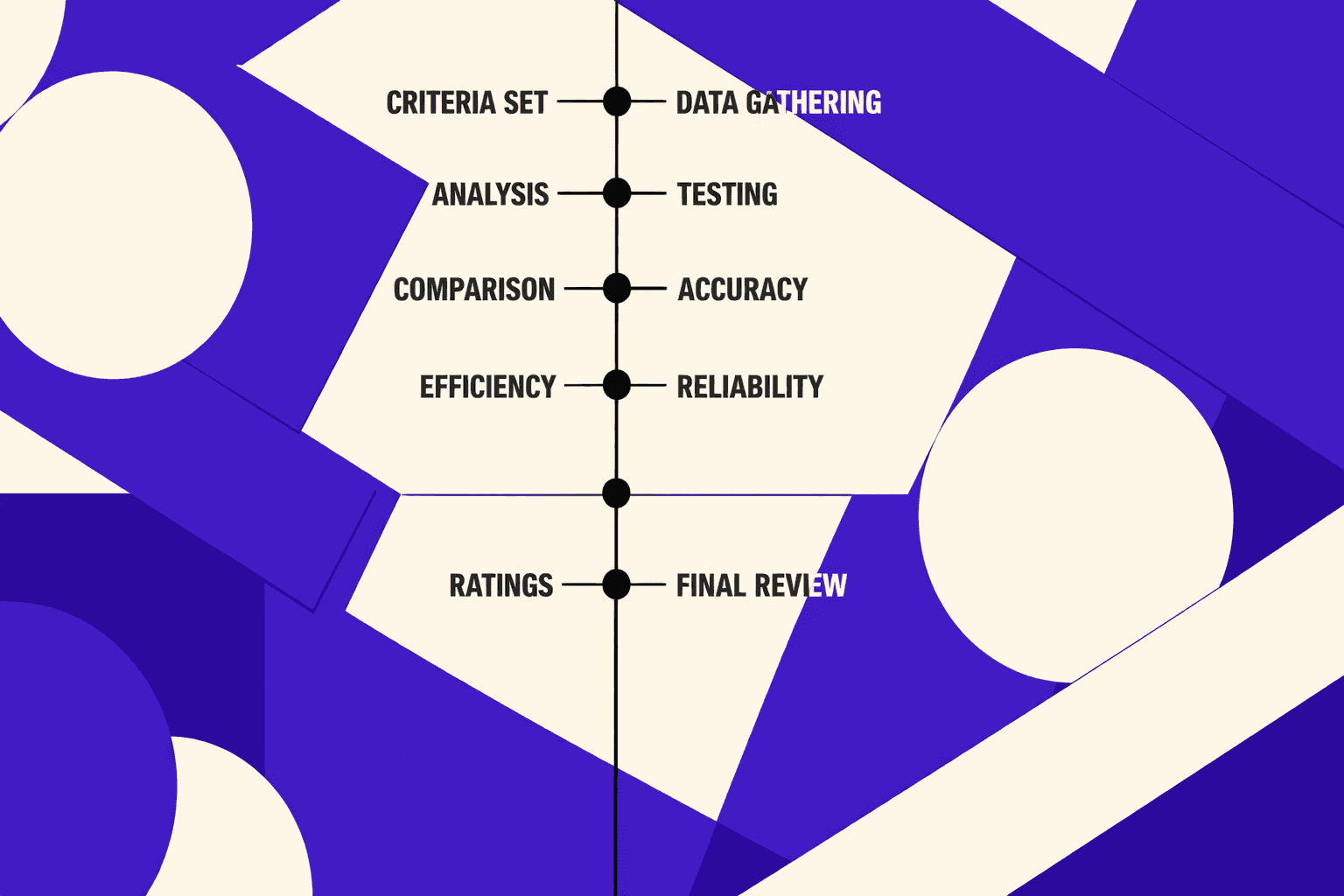
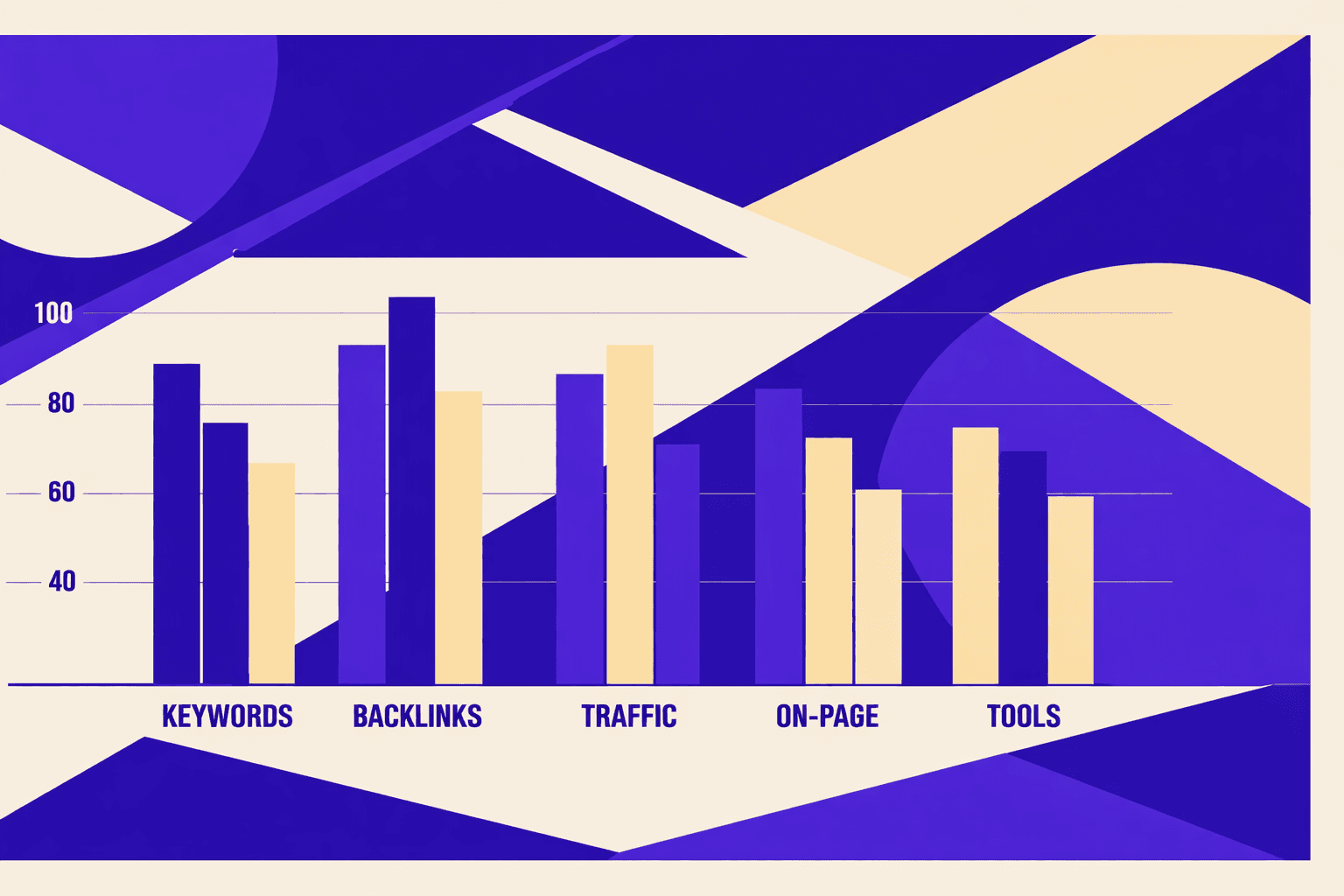
Choosing between Ahrefs and Semrush matters because the tool becomes the backbone of daily SEO decisions: what to fix, what to publish, and where competitors are winning. Both platforms cover core workflows like keyword research, backlink analysis, and site auditing, but they differ in data depth, reporting style, and how well they fit specific roles. This comparison breaks down Ahrefs vs Semrush using clear evaluation criteria that mirror how SEO teams actually buy software: accuracy and freshness of data, technical audit capabilities, usability, pricing, and ecosystem integrations. It also includes a practical “audit workflow” angle so readers can see how each platform performs when running a technical SEO audit in real life. By the end, readers will know which tool best fits their scenario—agency reporting, in-house growth, content-led SEO, or link-building—without claiming a single overall winner.

Mygom Seo
Mygom Seo
Why Your Technical SEO Audit Needs to Start With AI Readiness
Article

Why Your Technical SEO Audit Needs to Start With AI Readiness

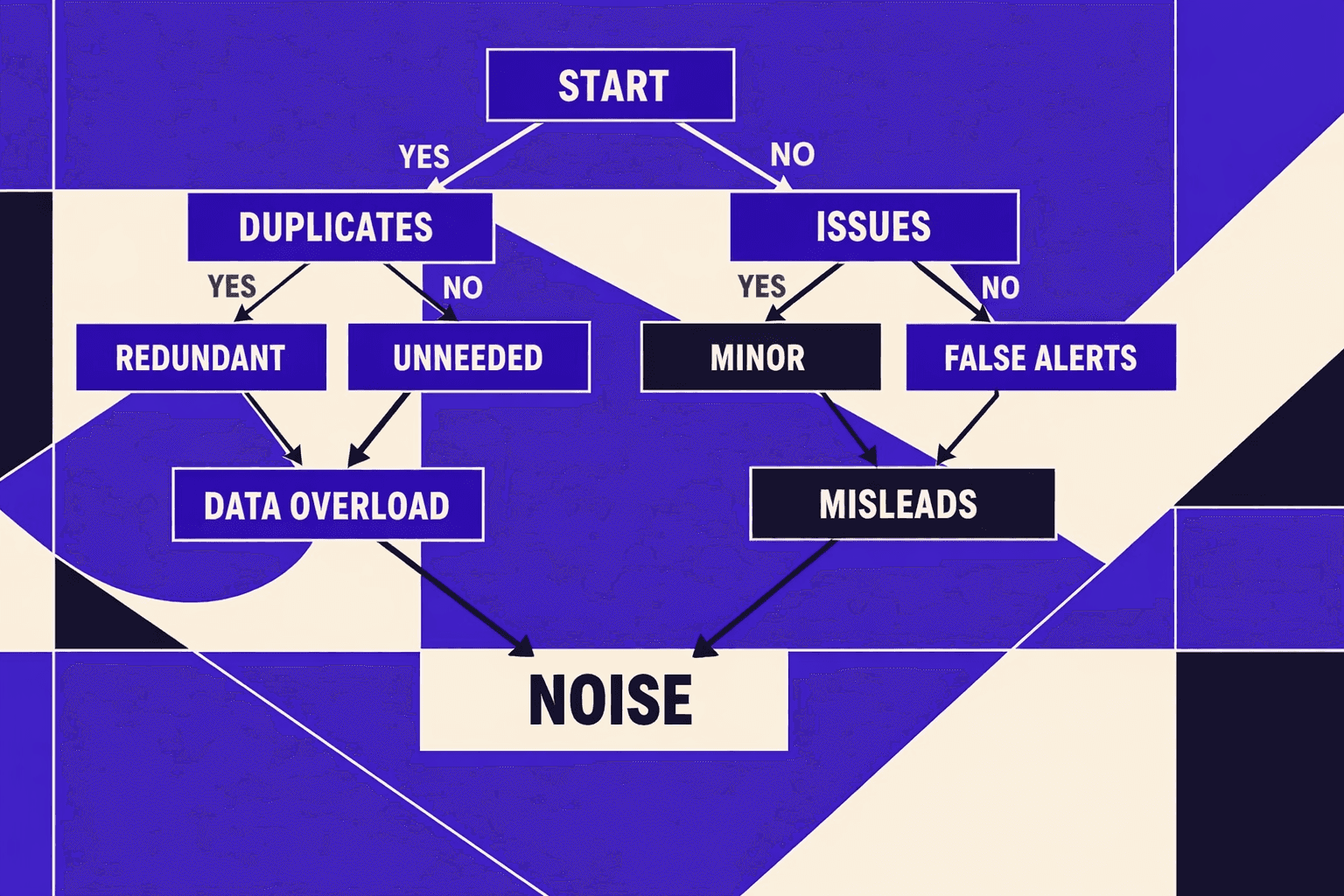
SEO audits are supposed to create clarity. In practice, most of them create noise. We keep seeing teams buy an seo audit tool, run a crawl, export a 200 row issue list, and then stall because nothing is prioritized, tied to revenue, or designed for how search is changing. Our view is blunt: the era of generic “site health” reporting is ending. Between JavaScript-heavy sites, fragmented analytics, and the rise of AI-driven discovery, an audit is only useful if it connects technical reality to business outcomes and to how search systems actually interpret content. In this article, we share how we built our own audit workflow at Default Company, what we automated, what we still review manually, and the results we’ve driven for clients. We’ll also explain how we’re adapting audits for AI search, where classic SEO checklists can fail, and what leaders should do next to turn audits into compounding growth.

Mygom Seo
Mygom Seo
The 4 Technical SEO Checks Every Developer Should Automate
Article

The 4 Technical SEO Checks Every Developer Should Automate

SEO teams are expected to ship more recommendations, faster, with fewer resources. That is exactly where seo automation pays off: it turns recurring SEO tasks into repeatable workflows that run on schedule, flag issues early, and reduce manual checking. This listicle compares seven high-impact automation workflows that professionals can implement without overengineering. Each workflow is evaluated using the same criteria: time saved per week, setup complexity, accuracy and risk, data sources supported (Search Console, analytics, crawlers), and how well it scales across multiple sites. Readers will learn what to automate first, what to keep manual, and how to combine an seo audit tool, a technical seo audit process, and a seo checker free option into a lightweight system. The goal is a practical, dependable setup that improves technical health, content performance, and reporting cadence without creating another fragile stack to maintain.

Mygom Seo
Mygom Seo
SEO Audit Data Export: Why Most Tools Hide Your Results
Article

SEO Audit Data Export: Why Most Tools Hide Your Results

Most teams treat an SEO audit like a quarterly paperwork exercise: export a checklist, flag a few errors, and hope rankings move. We think that approach is why so many “audits” fail to change anything. The modern reality is messy: JavaScript rendering, faceted navigation, infinite URL spaces, CWV regressions, and distributed ownership across engineering, content, and product. A static report can’t keep up. We built our own SEO audit tool because we needed something opinionated, repeatable, and defensible to executives and engineers alike. Our goal wasn’t to find more issues. It was to create SEO transparency: the ability to show what matters, why it matters, who owns it, and what happens when it’s fixed. In this article, we’ll share what we’re seeing in the current state of technical SEO, why traditional tooling and “seo checker free” workflows underperform, how we implemented our system, and the measurable impact it’s had for our clients. If you want audits that ship fixes—not PDFs—this is the playbook we use.

Mygom Seo
Mygom Seo
Why Most SEO Audit Tools Miss Internal Linking Problems
Article

Why Most SEO Audit Tools Miss Internal Linking Problems

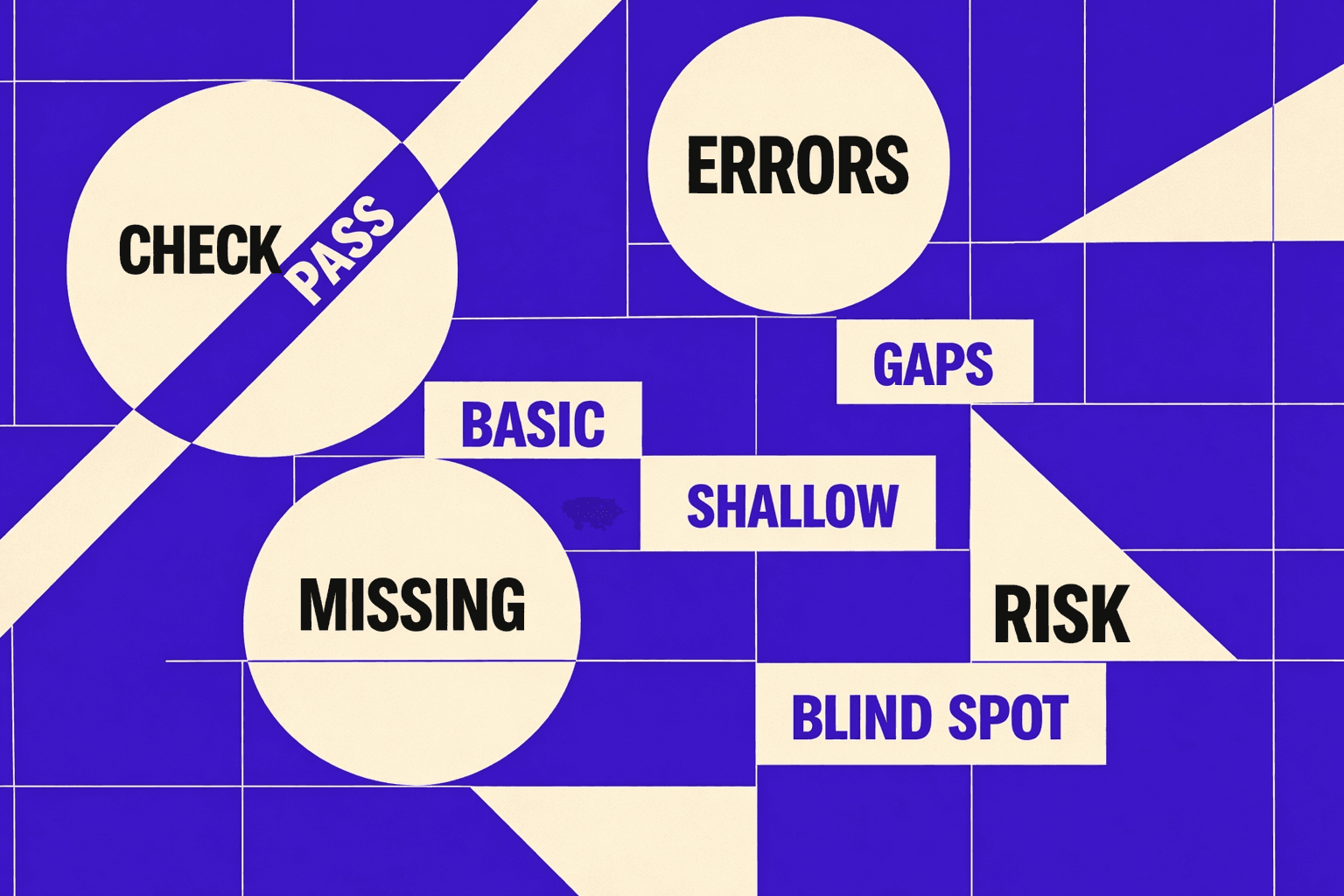
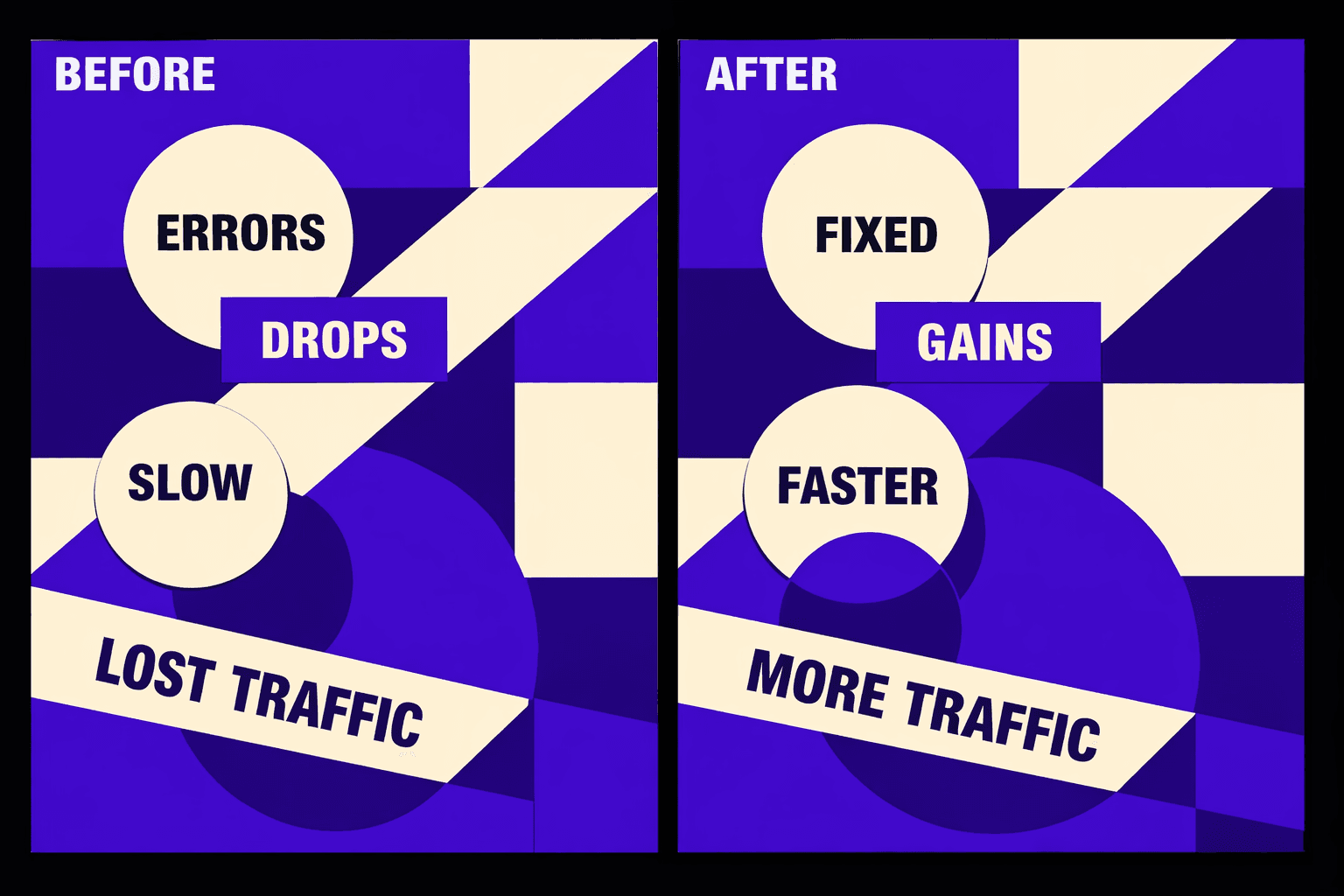
If you have ever run a free SEO checker and walked away with a “green” report while your rankings still fall, you are not alone. We see this most when pages are indexable but underperforming, internal links are unintentionally broken, or templates create duplicate signals that simple checkers cannot model. In this troubleshooting guide, we walk through the exact symptoms professionals report, why those symptoms happen, and how we fixed the root cause by building our own checker workflow. We will show how we combine crawl data, performance signals, and an internal link graph to surface issues that generic tools routinely miss. By the end, you will have a repeatable process to validate checker output, run a lightweight audit in minutes, and apply fixes that translate into measurable gains. We also include before and after results from our implementations and a prevention checklist so the same issues do not return after the next release.

Mygom Seo
Mygom Seo
5 Technical SEO Issues You Can Fix in Under 10 Minutes
Article

5 Technical SEO Issues You Can Fix in Under 10 Minutes

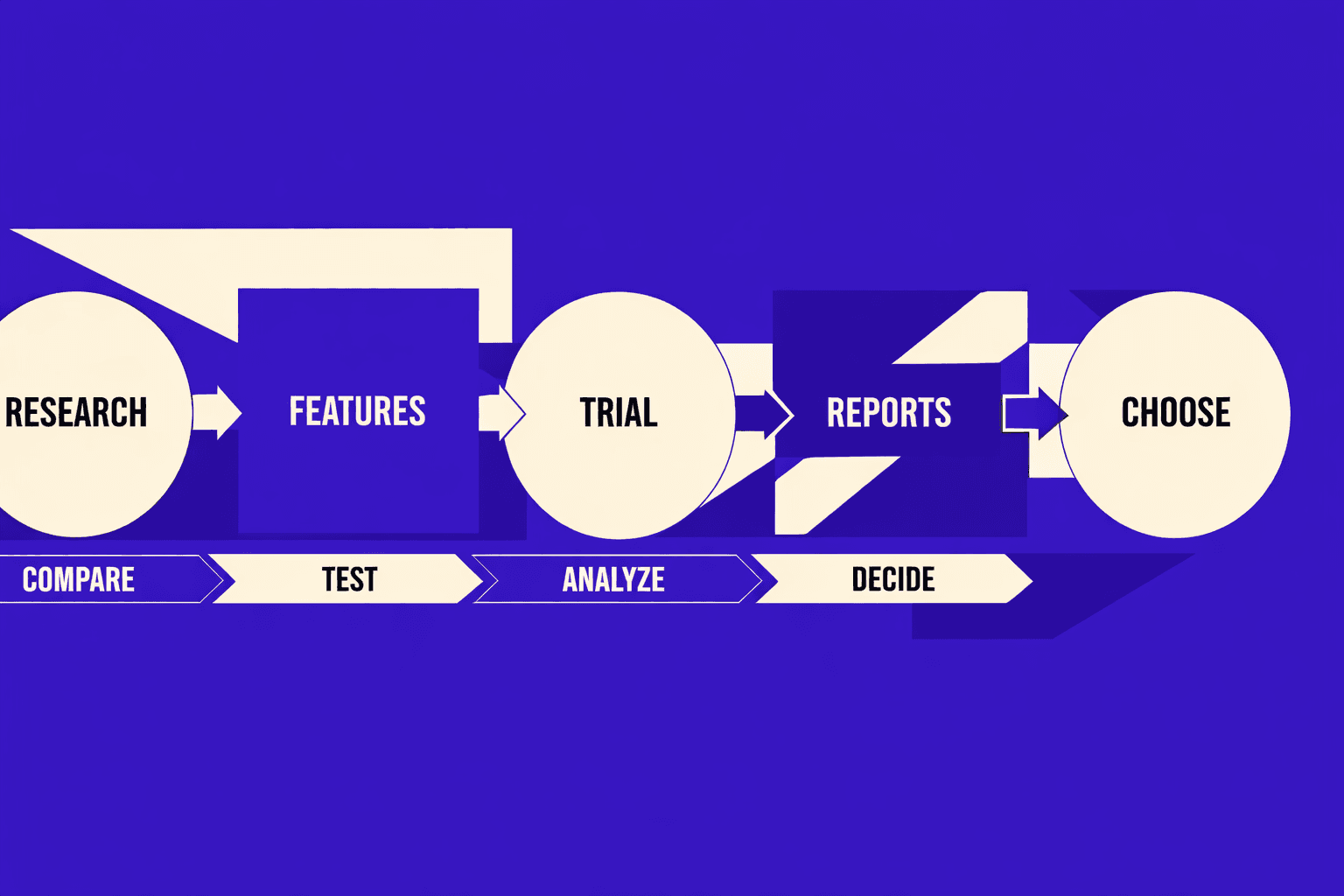
Choosing the right SEO audit tool is a practical decision that affects rankings, site speed, and engineering time. Professionals typically need more than a quick score they need clear issue prioritization, repeatable checks, and outputs that map to real fixes across content, technical SEO, and links. This list compares nine leading options using consistent criteria: crawl accuracy, technical diagnostics, reporting depth, ease of use, integrations, and overall value for teams. It also highlights when a seo checker free approach is enough and when paid tools save more time than they cost. Beyond the tool list, the outline includes a lightweight audit website seo workflow designed for cross functional teams, plus developer friendly checks and handoffs for seo for developers. The goal is to help readers pick a tool that matches their site size and workflow, then run a high impact audit that turns findings into shipped improvements.

Mygom Seo
Mygom Seo
The Chrome Extension SEO Audit Nobody Talks About
Article

The Chrome Extension SEO Audit Nobody Talks About

Chrome SEO extension tools are everywhere, but most teams still treat them like one off checklists instead of an execution system. We think that’s why SEO work keeps stalling between marketing, engineering, and analytics. In this article, we share how we built our chrome seo extension at Default Company to close that gap. Our thesis is simple: the best extension is not the one with the most features, it’s the one that turns findings into developer ready actions in minutes. We’ll walk through what we shipped, why we made opinionated UX and data model decisions, and how we integrated a lightweight technical SEO audit into everyday workflows. You’ll also see what changed for our clients: faster triage, fewer handoff errors, and clearer prioritization. If you’re leading SEO, product, or engineering, this is our playbook for building an extension that actually drives outcomes, not just reports issues.

Mygom Seo
Mygom Seo
How to Audit Your Site for AI - Ready Structured Data (Without Going Insane)
Article

How to Audit Your Site for AI - Ready Structured Data (Without Going Insane)

An seo audit tool is only useful if it turns findings into fixes you can ship. In this tutorial, you’ll build a repeatable audit workflow from scratch that you can run on any site—starting with a quick baseline check, then moving into a deeper technical SEO audit, and ending with a prioritized remediation plan. You’ll learn which data to trust, how to interpret common crawl and indexation signals, and how to translate reports into developer-ready tasks. You’ll also set up a lightweight “SEO for developers” handoff so changes don’t stall in backlogs. Along the way, you’ll validate improvements with before-and-after testing, and you’ll leave with a checklist you can reuse for clients, internal sites, or new launches. If you’ve ever run an audit and felt stuck with a long list of warnings, this guide shows you how to make the tool work for you—fast, consistently, and with measurable results.

Mygom Seo
Mygom Seo
Why Your Canonical Tags Are Backfiring (And How to Audit Them Fast)
Article

Why Your Canonical Tags Are Backfiring (And How to Audit Them Fast)

SEO audit tool reports can look “green” while rankings still slide, pages deindex, and organic leads slow down. We built our own audit workflow after seeing the same pattern across client sites: teams fix surface-level errors, but the root causes (canonicalization conflicts, crawl waste, JavaScript rendering gaps, and template-driven duplication) keep compounding. In this troubleshooting guide, we walk through the exact problem signals we see, how we isolate the real causes, and the implementation steps we use to turn audit findings into fixes that search engines actually reward. You’ll also see the before-and-after metrics we track (crawl stats, index coverage, Core Web Vitals, and conversion rate from organic) and the guardrails we put in place so the issues don’t return. This is written from our implementation perspective: what we built, why we built it, and how we ship changes safely in real production environments.

Mygom Seo
Mygom Seo